Creative Director | Videographer | Photographer
High-Impact Visual Campaigns for Sports, Consumer Brands & Elite Athletes
ATHLETES I’VE WORKED WITH
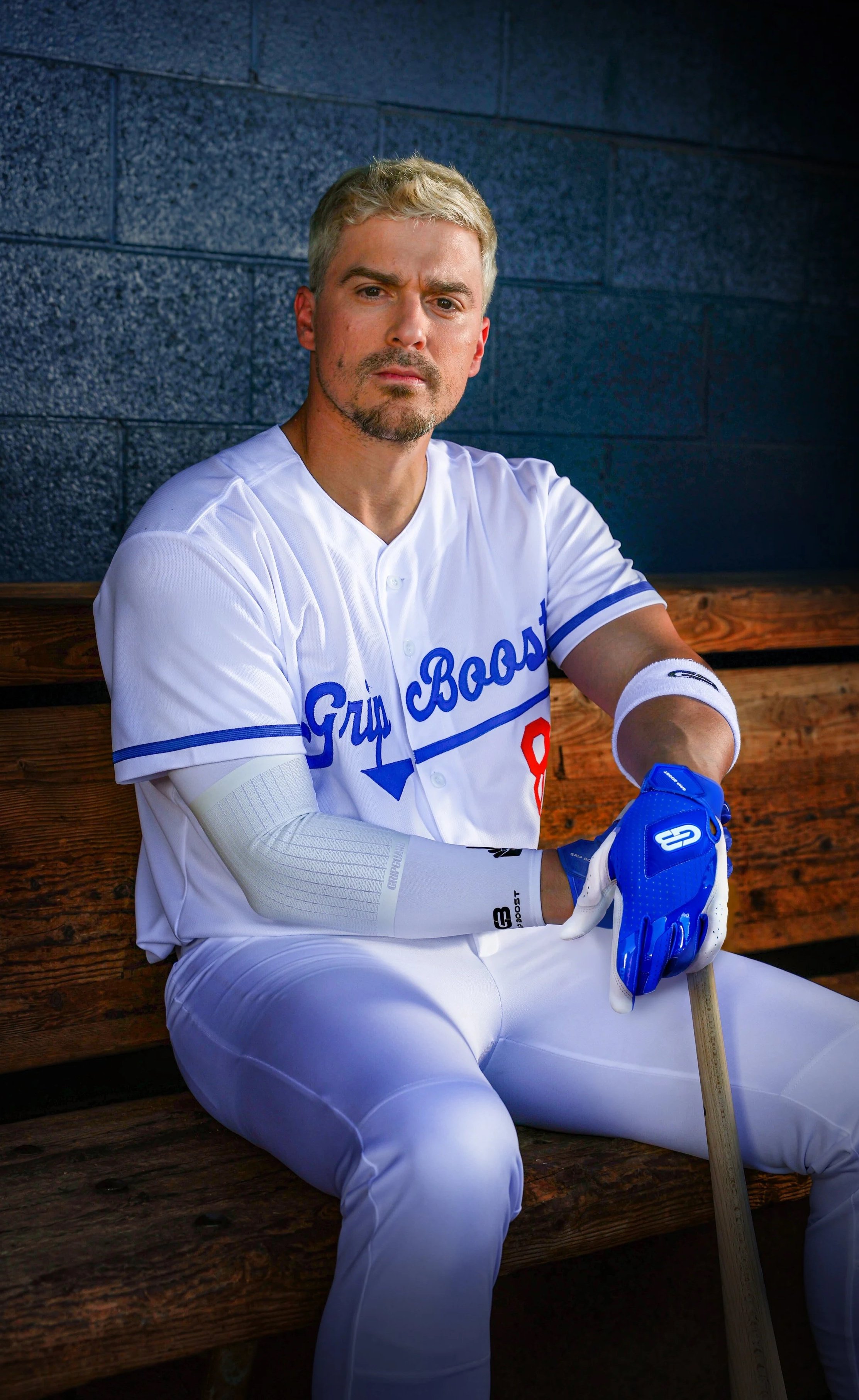
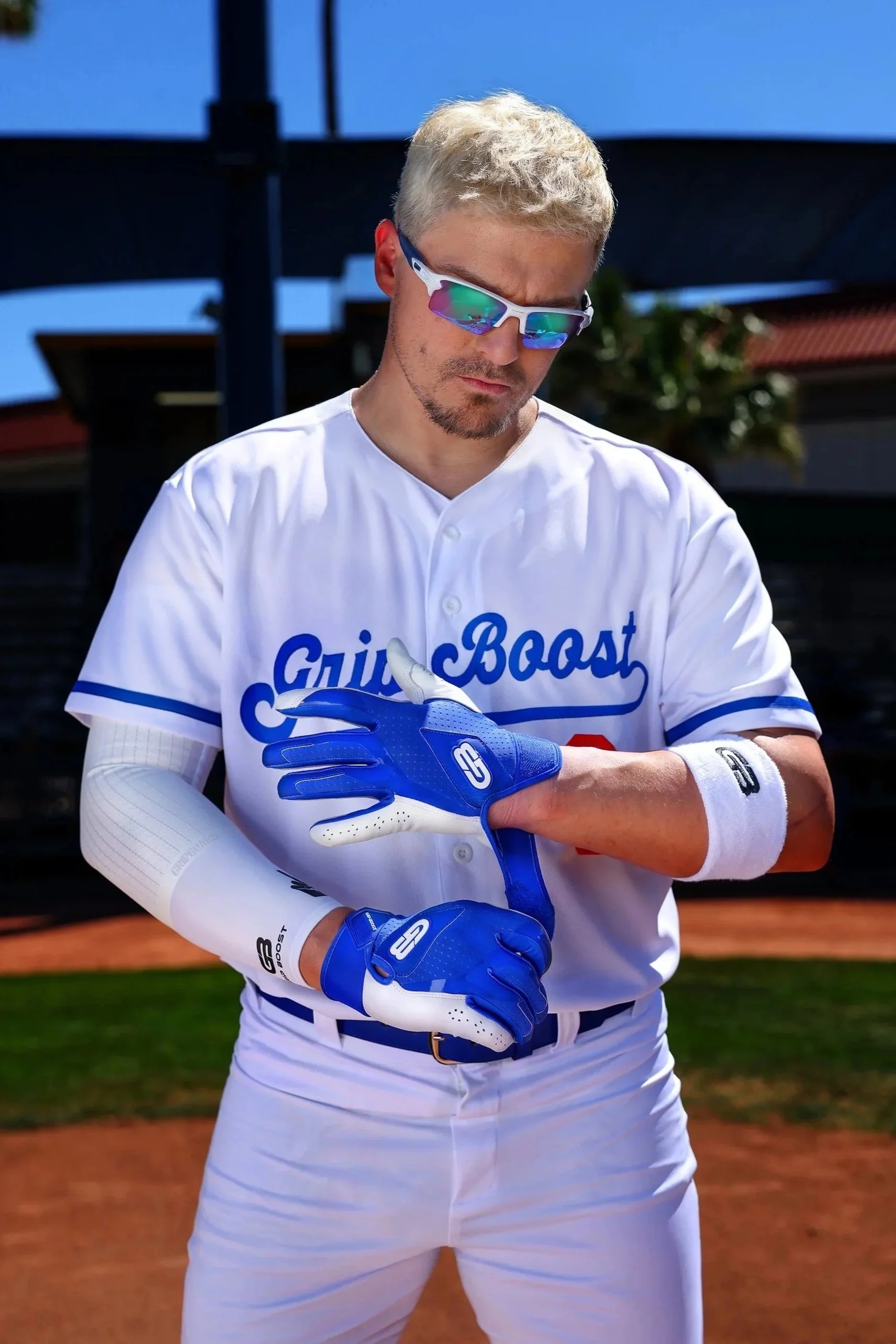
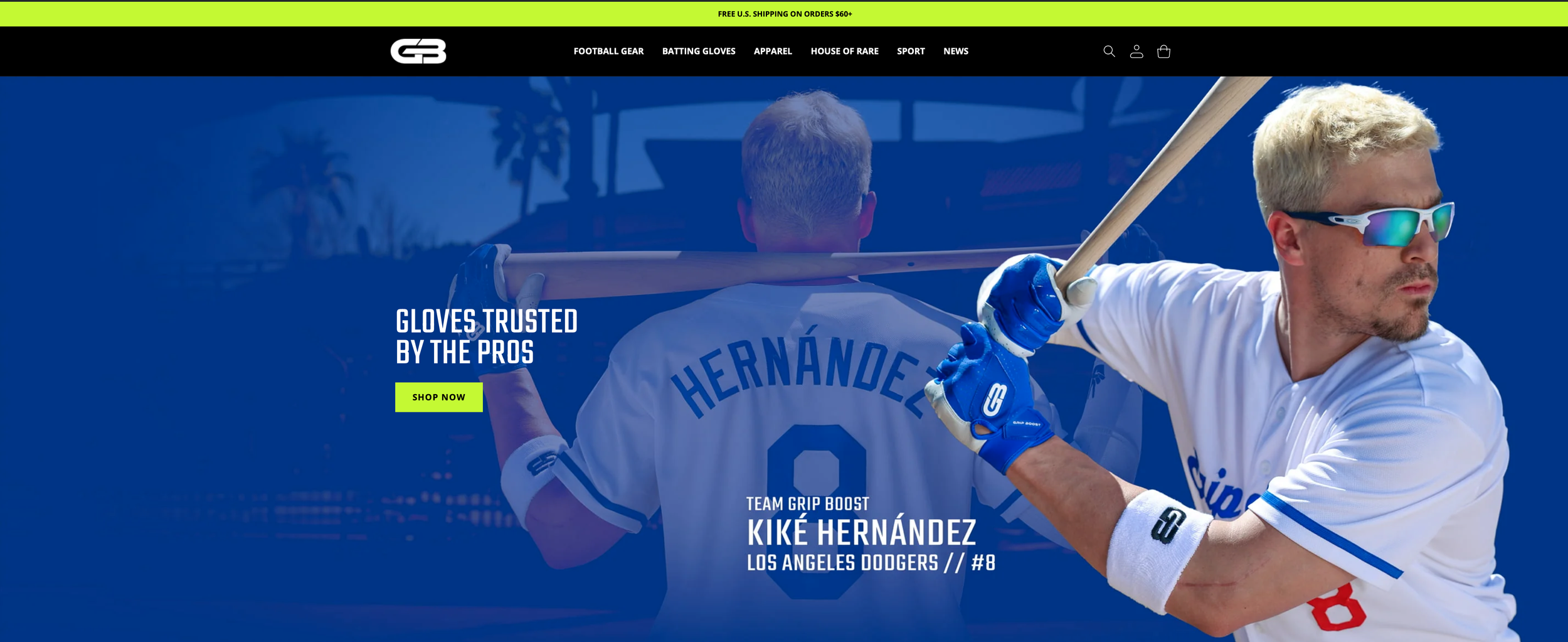
Kike Hernandez
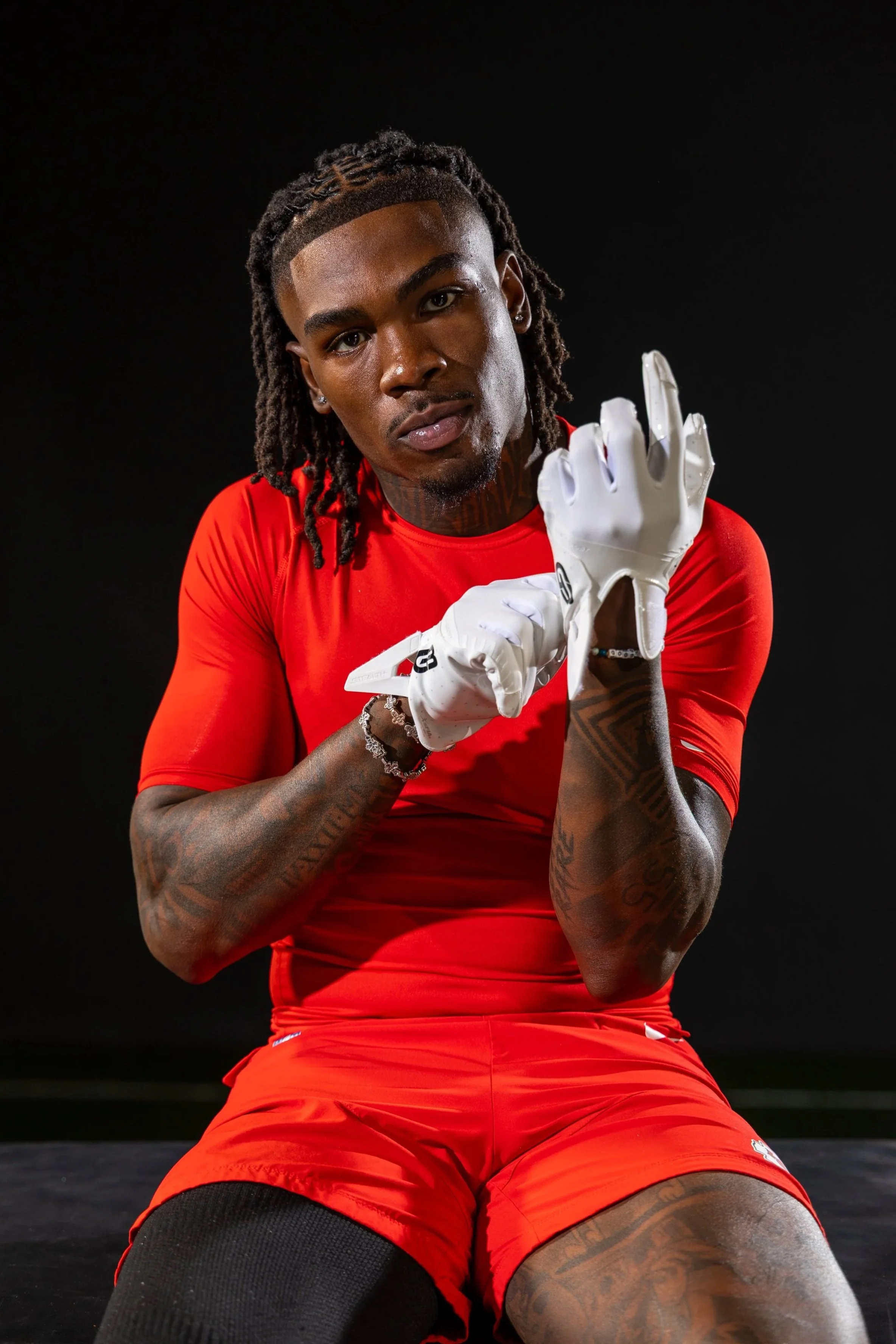
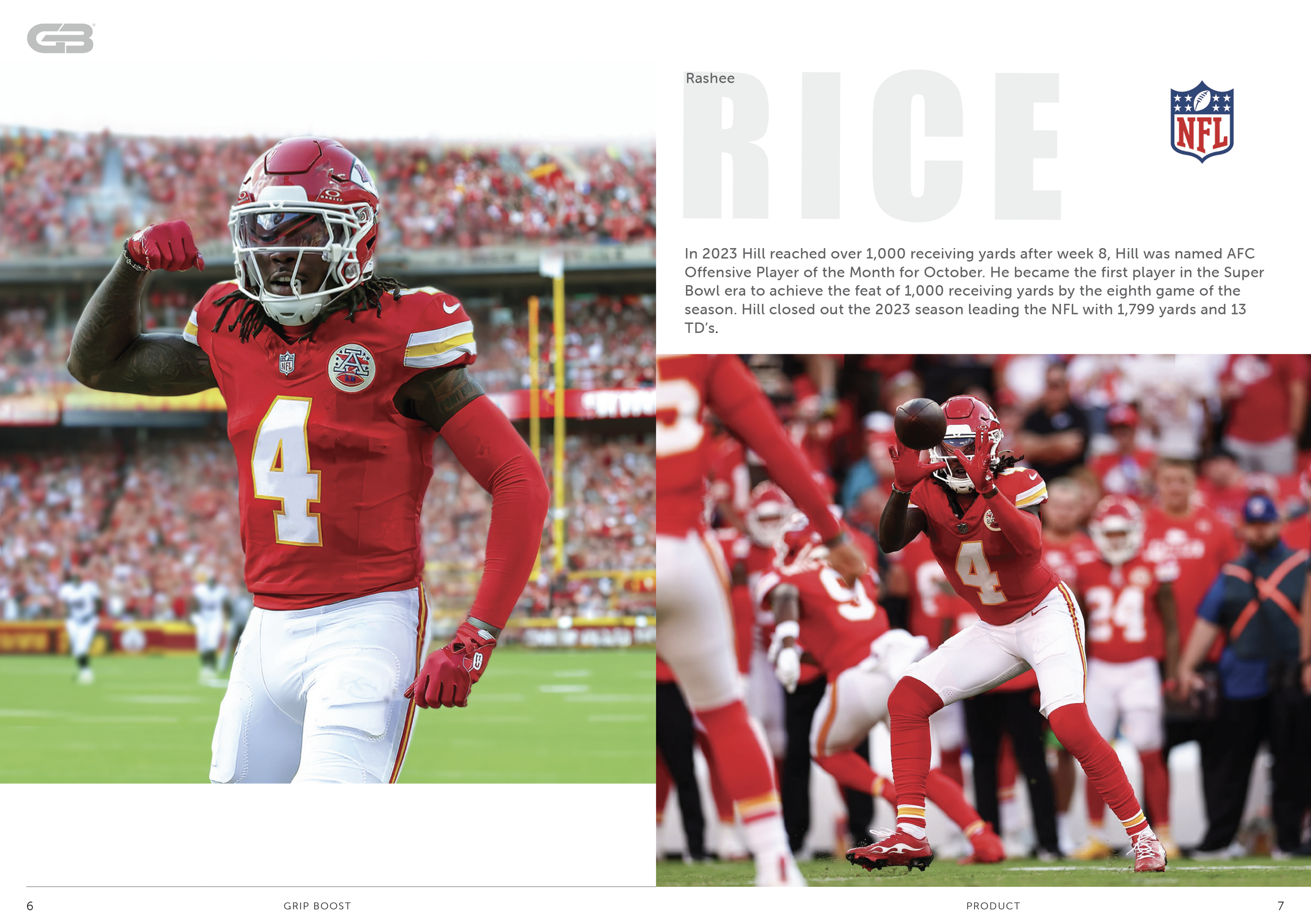
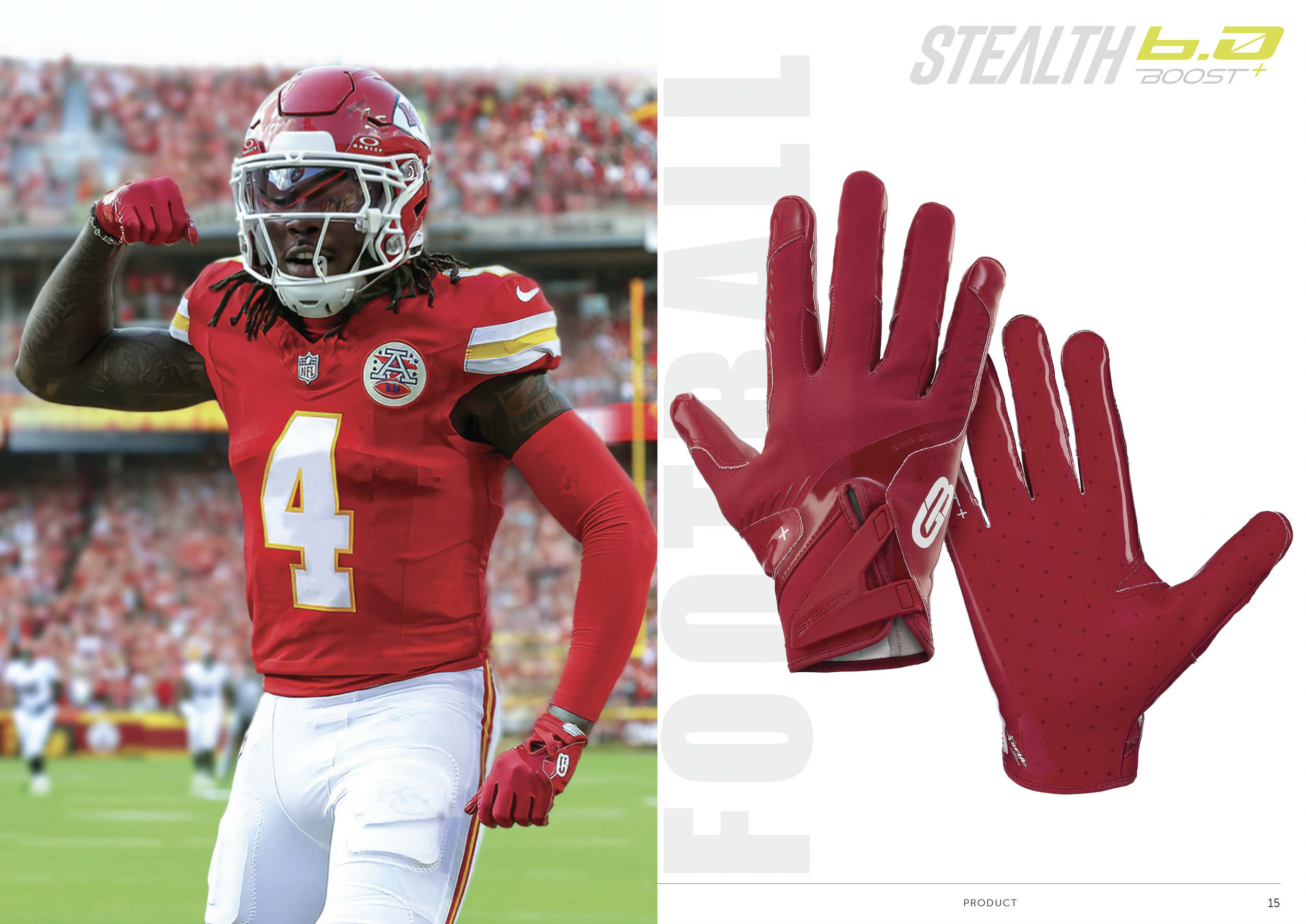
Rashee Rice
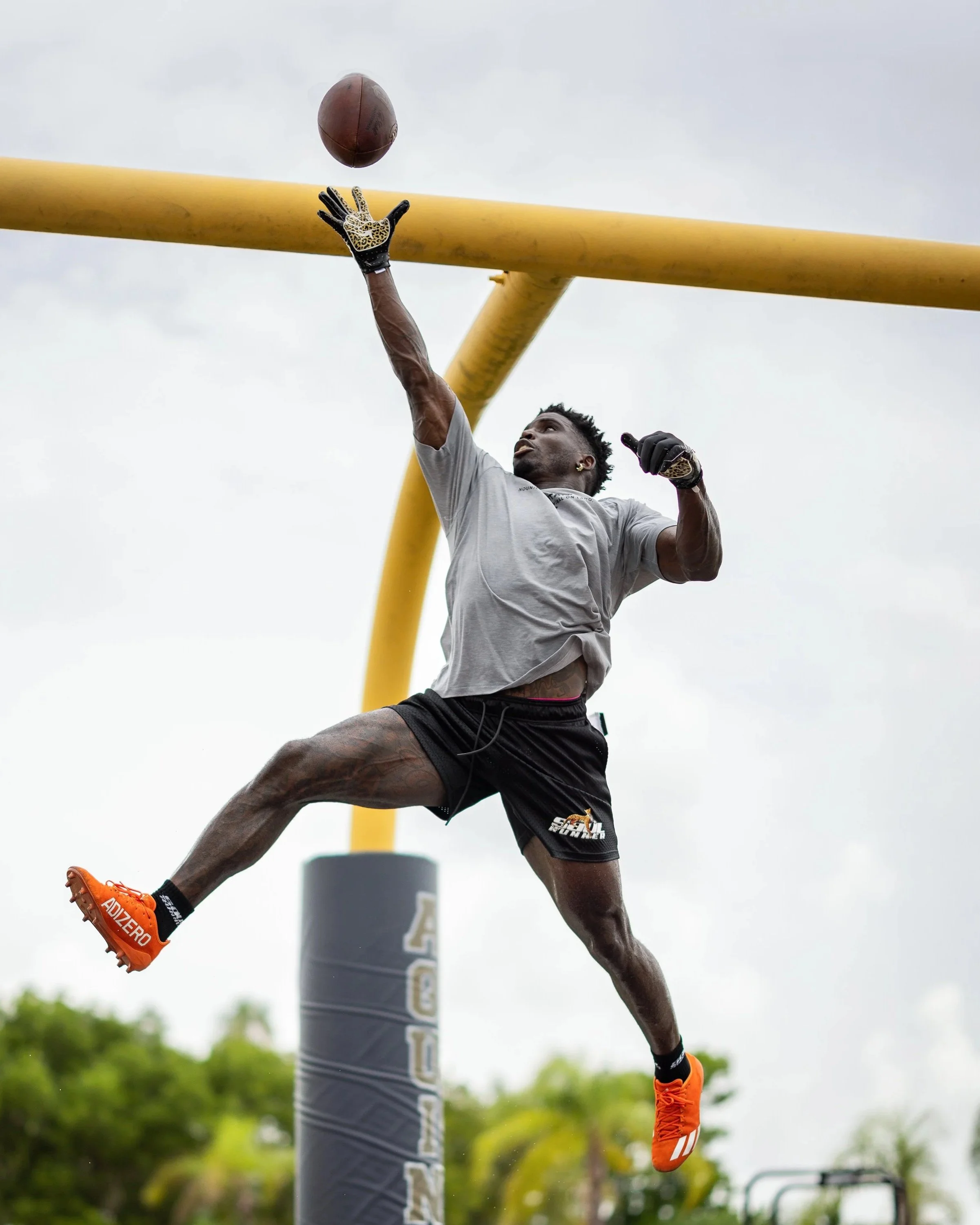
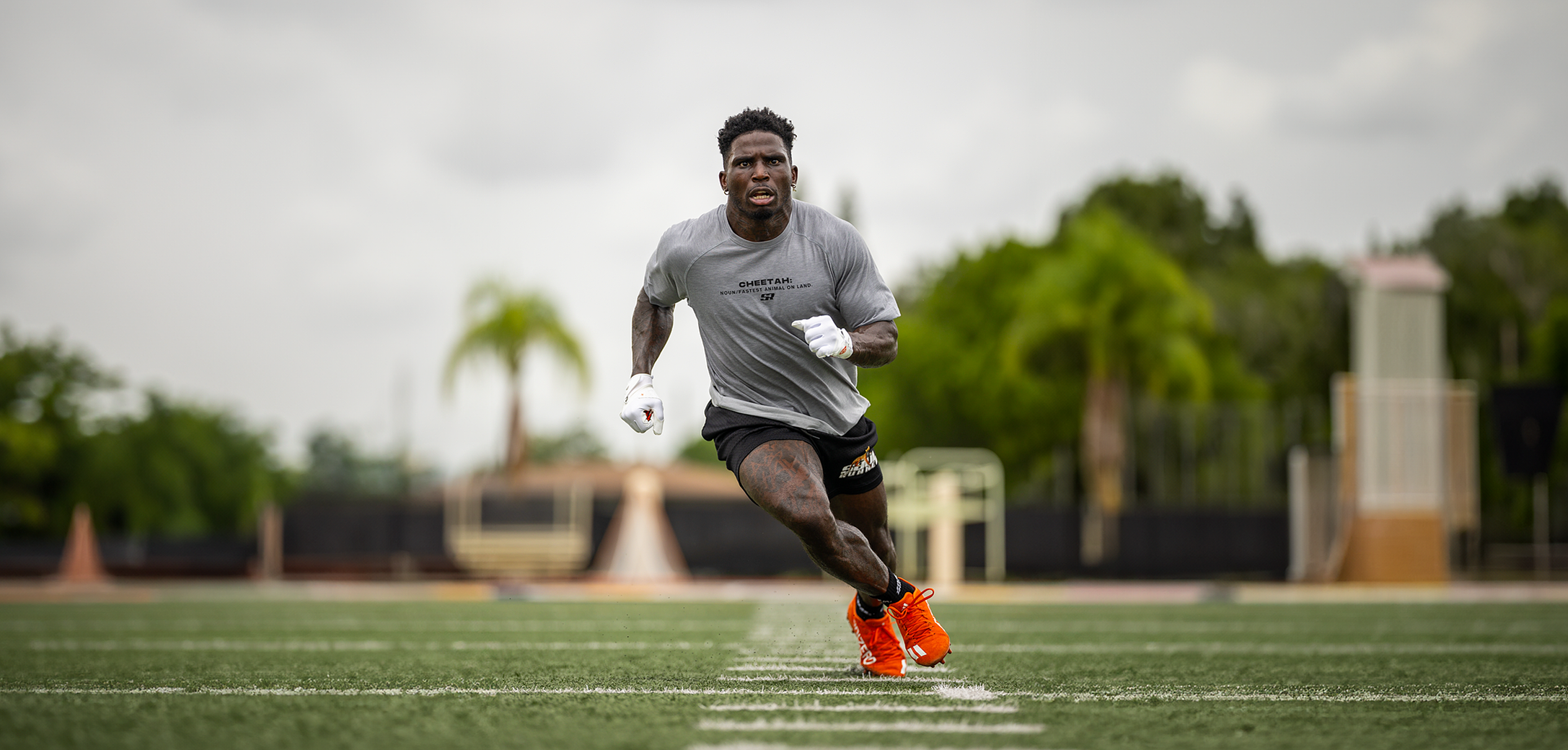
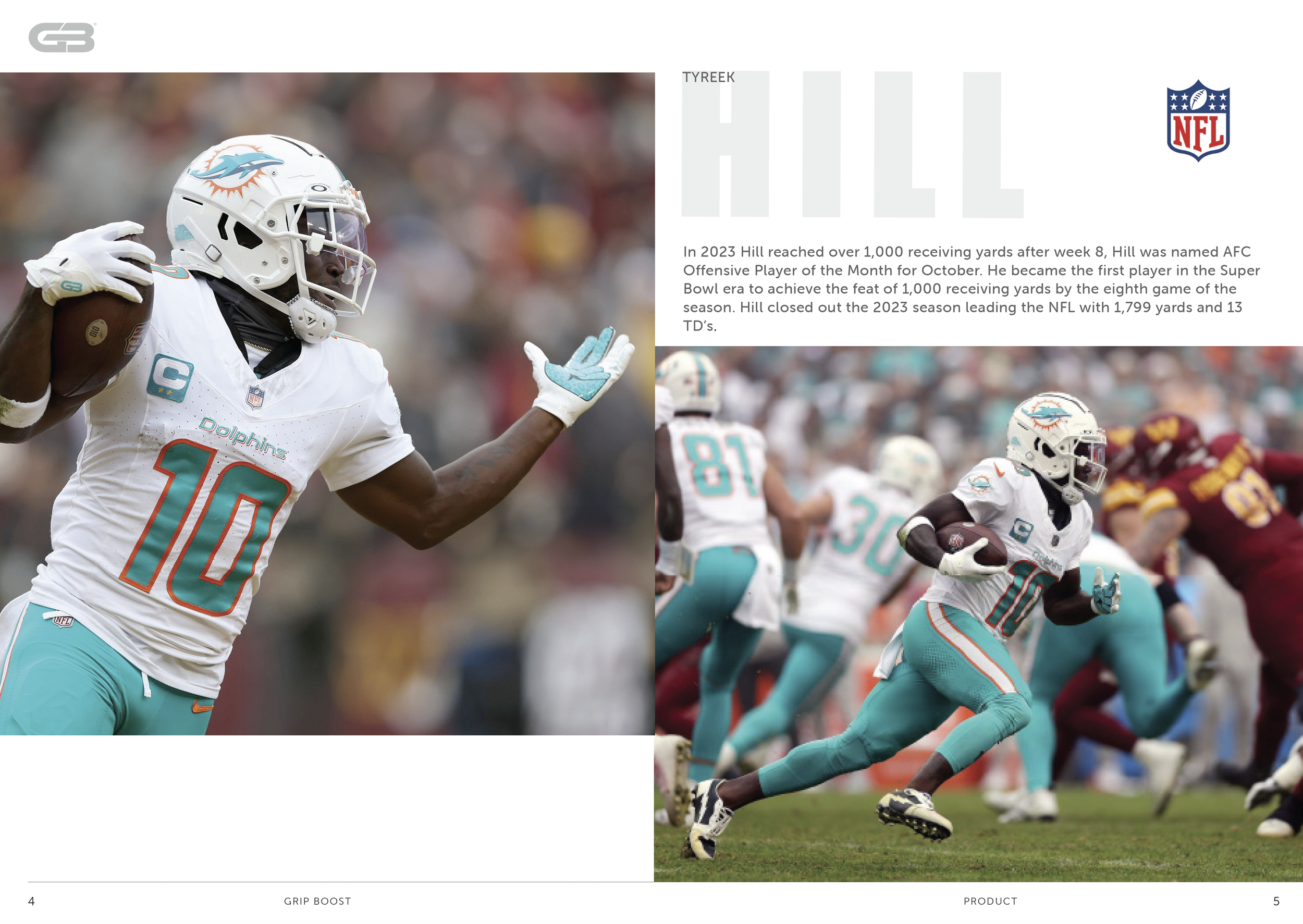
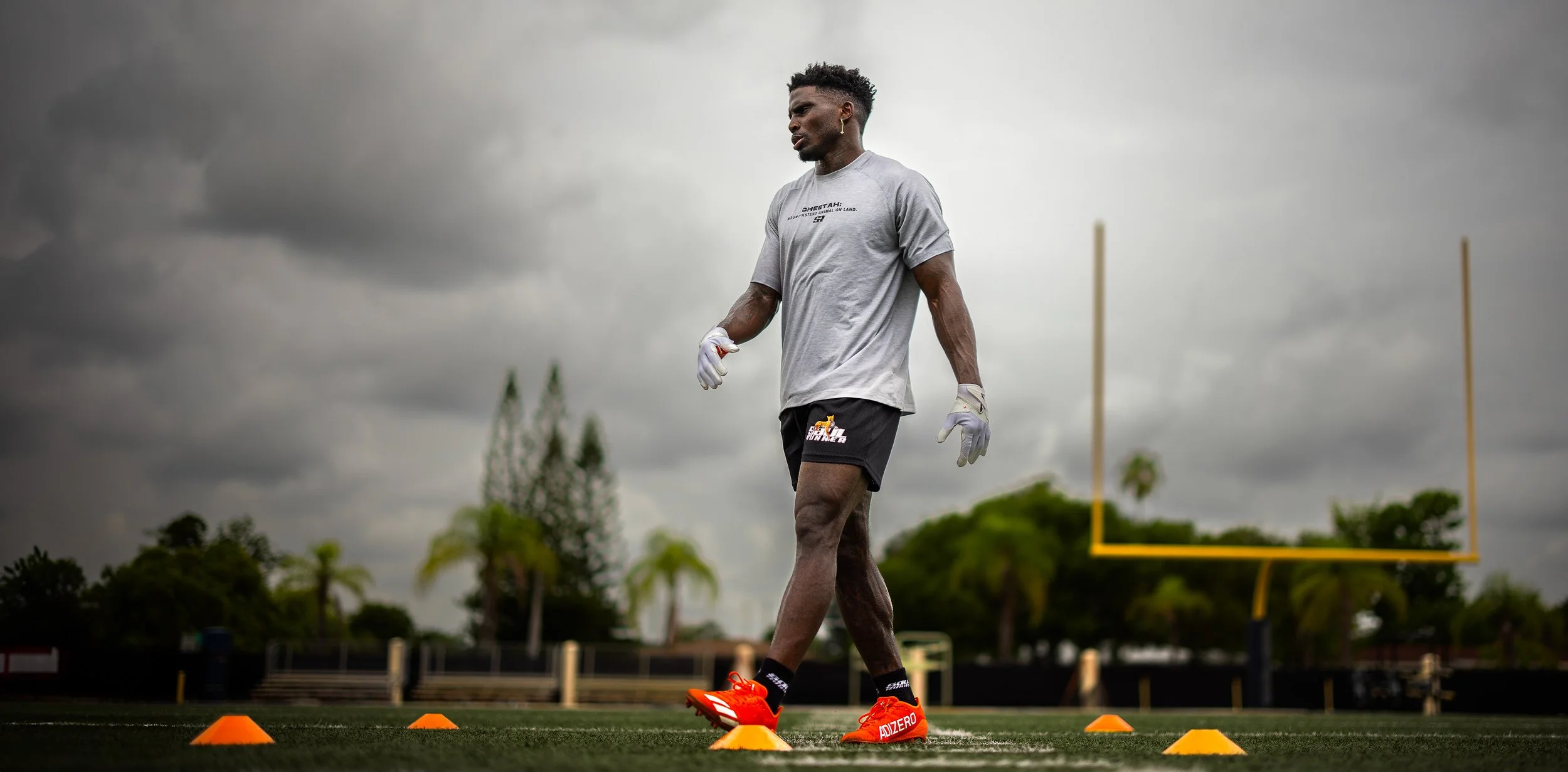
Tyreek Hill
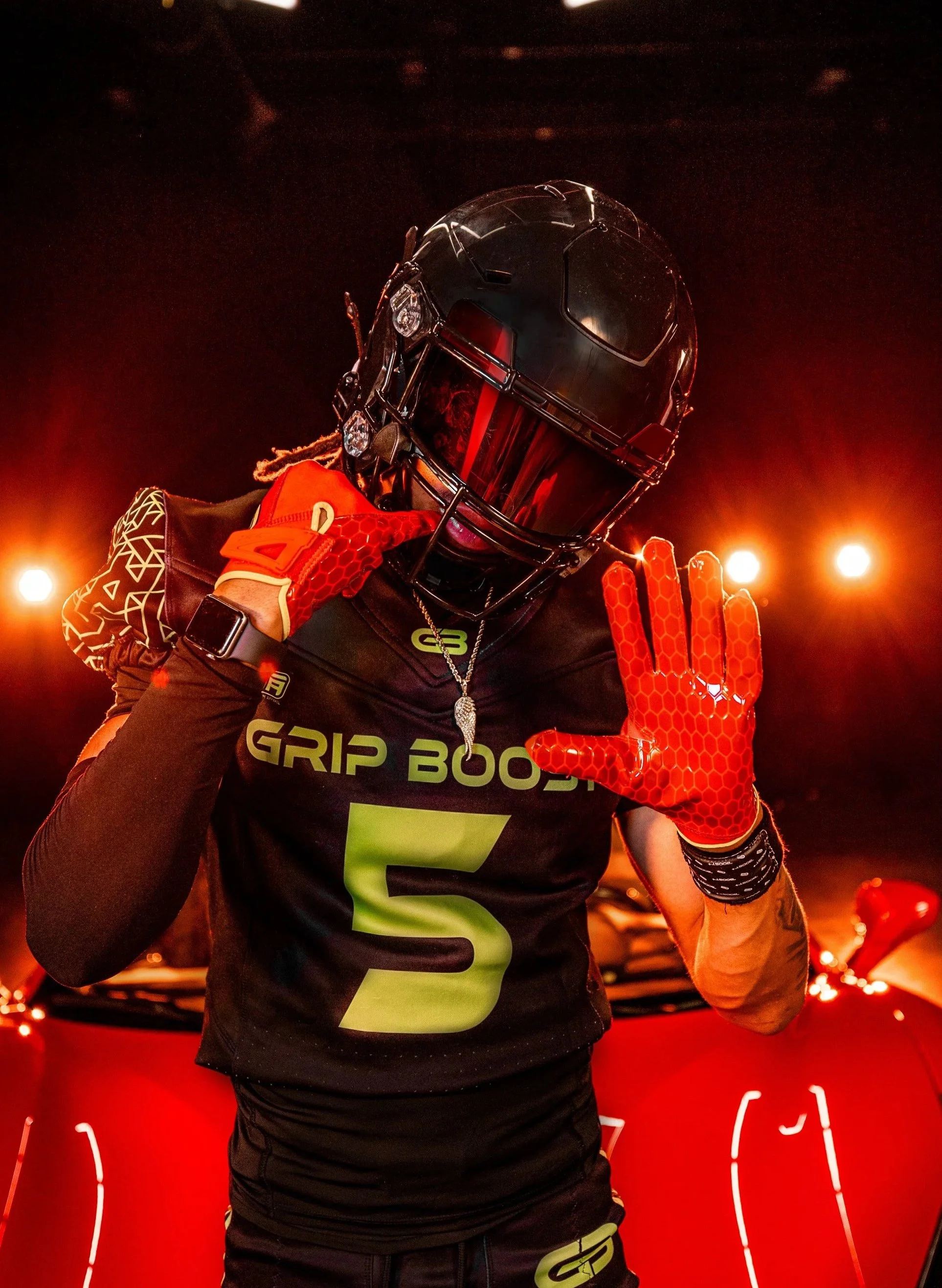
Grand Prix
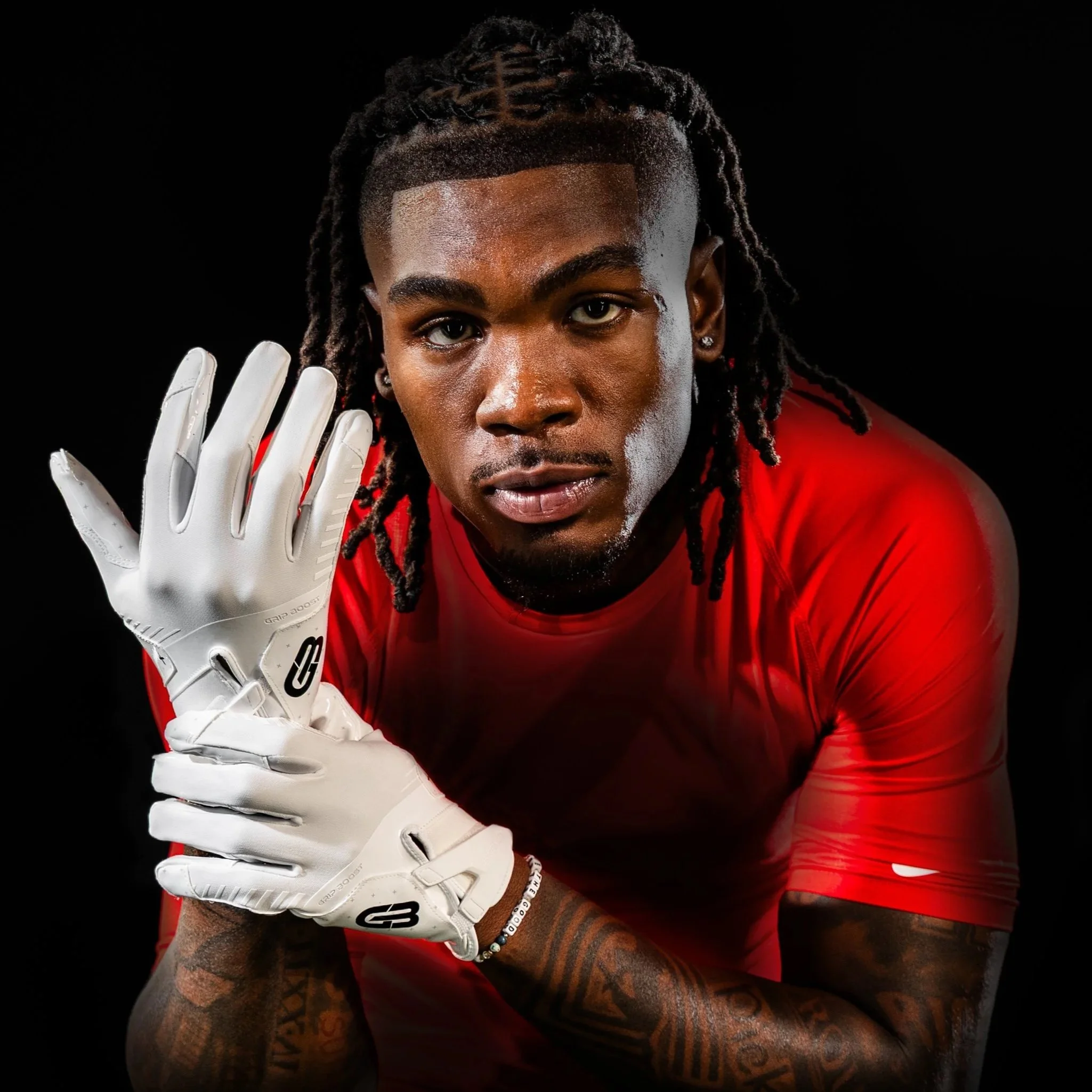
Rashee Rice
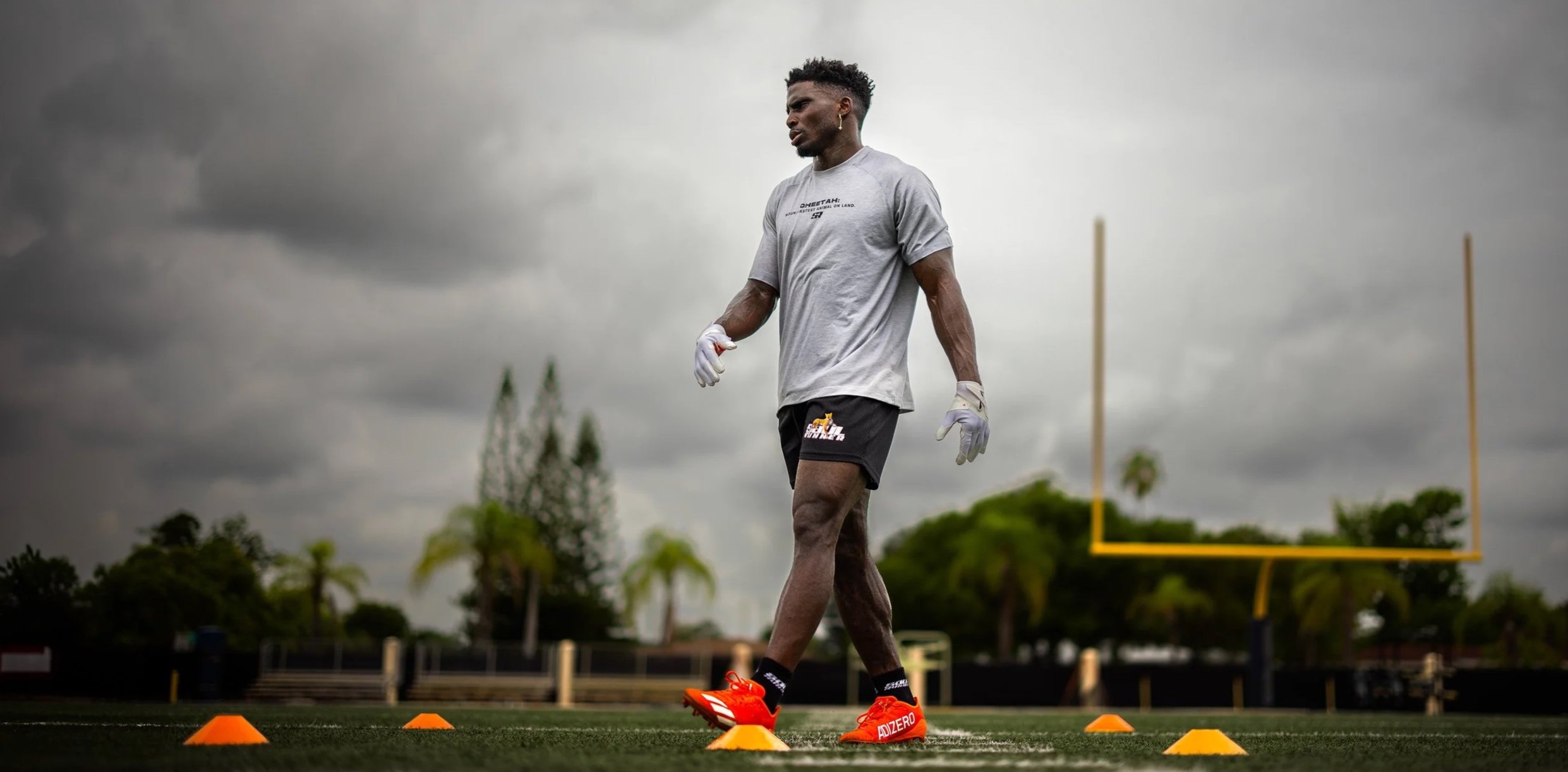
Tyreek Hill
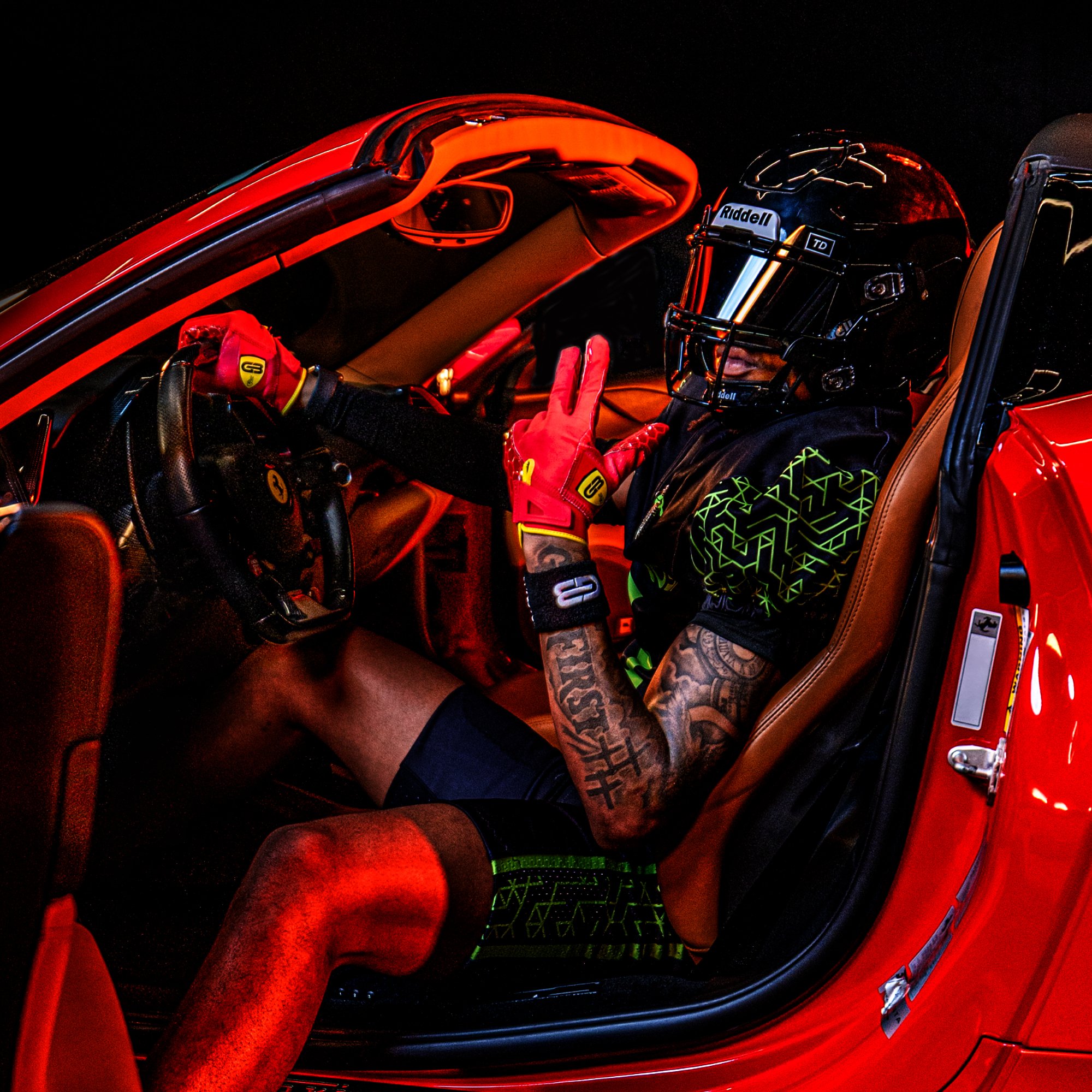
Grand Prix
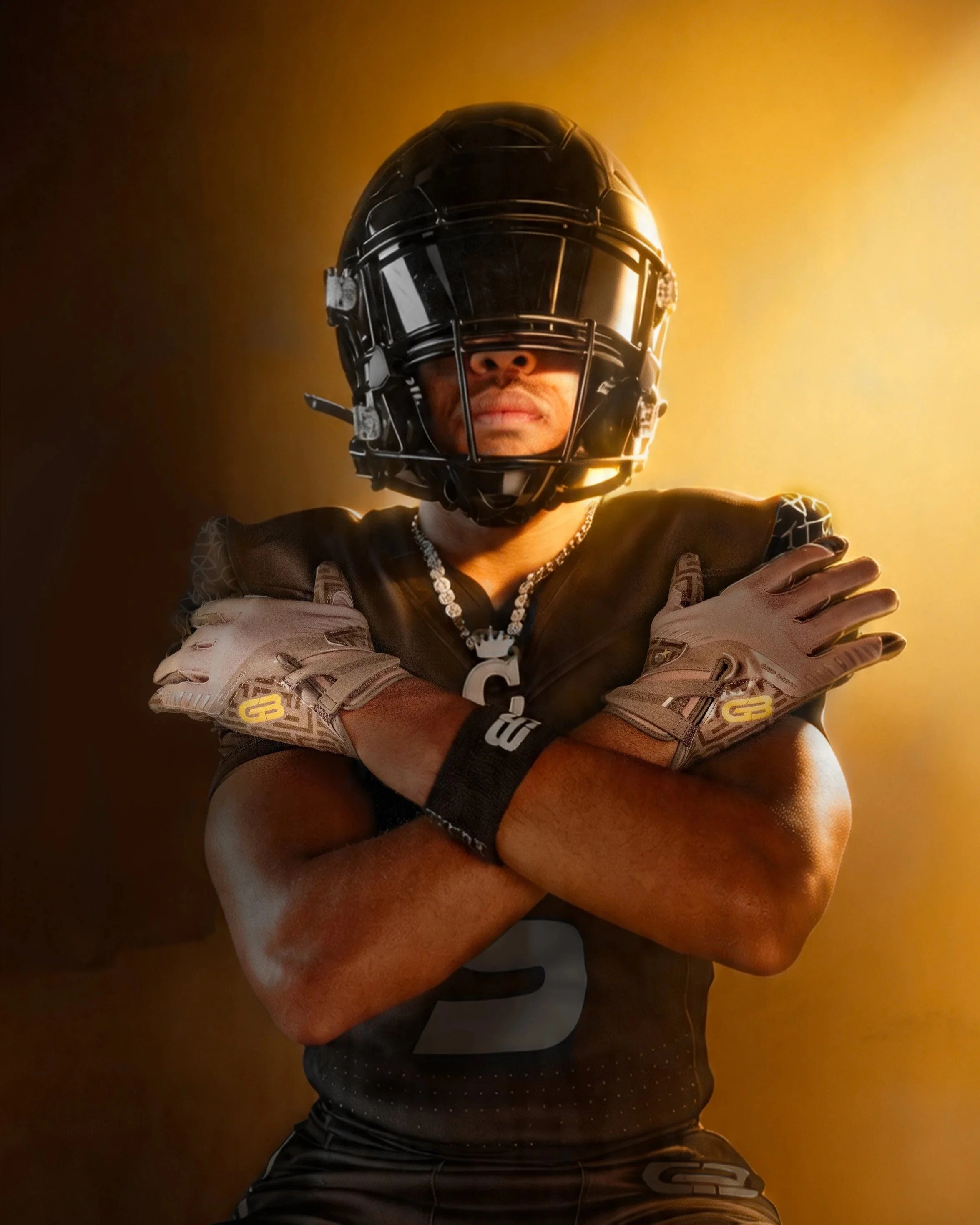
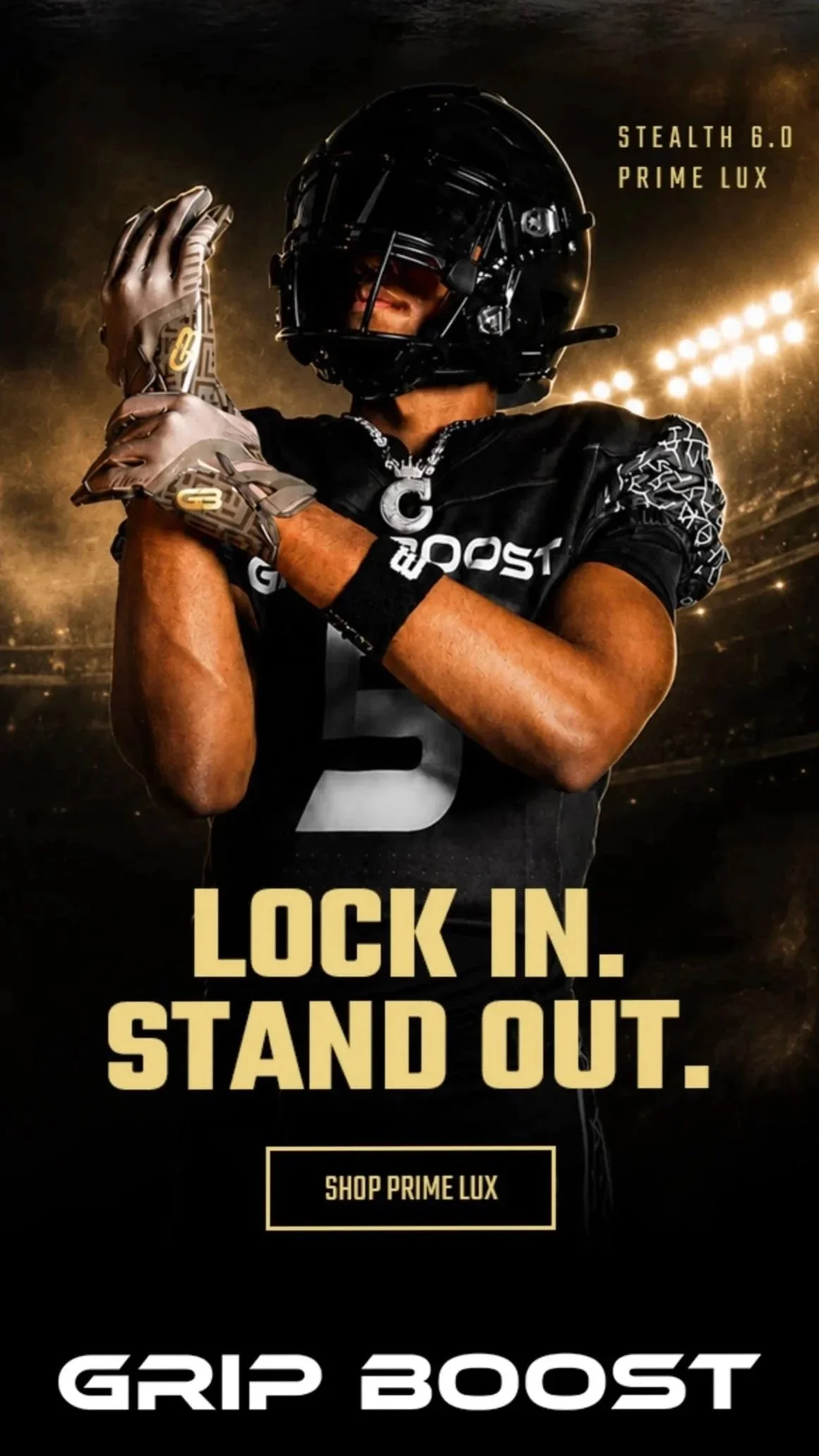
Prime Lux
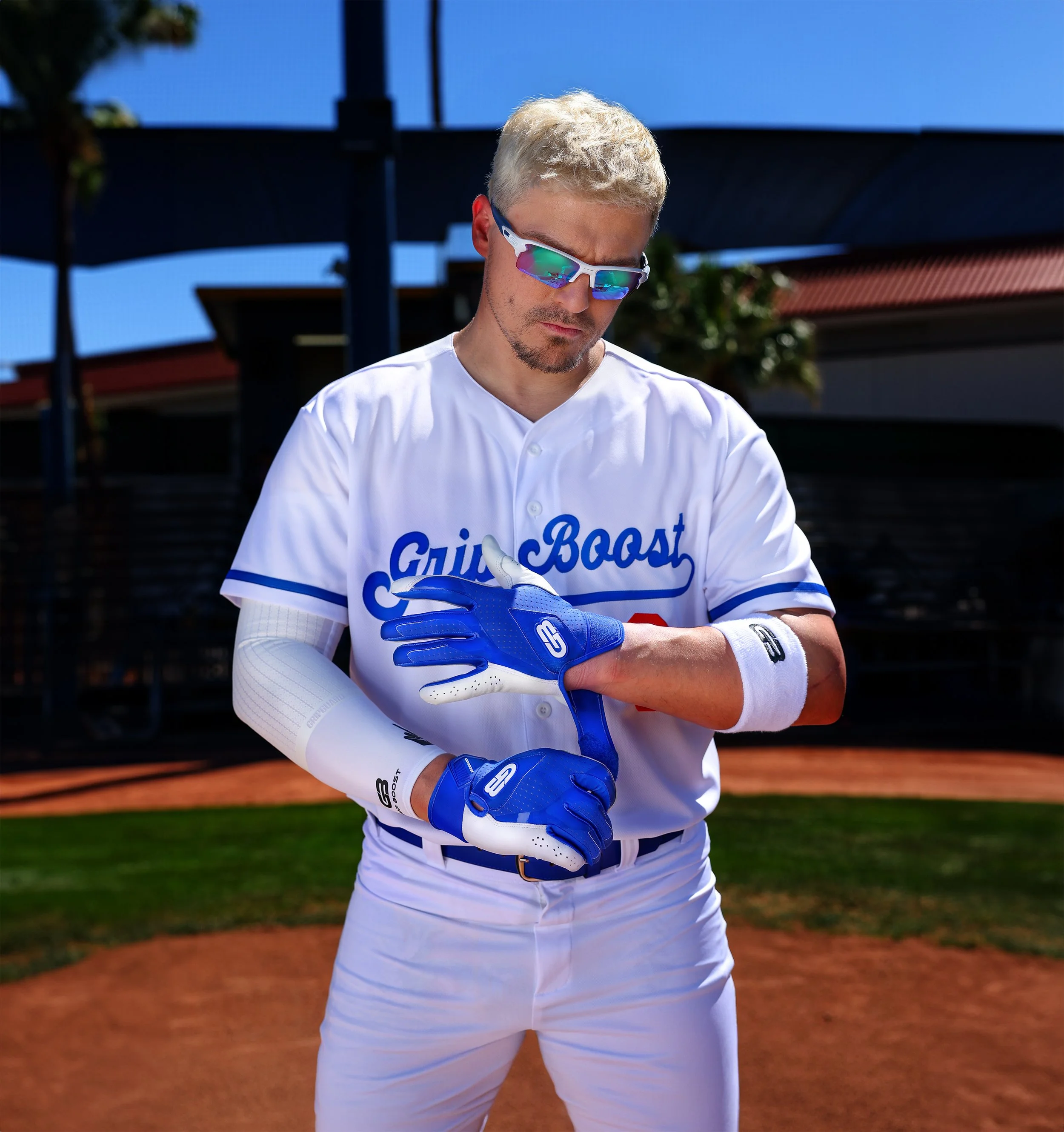
Kike Hernandez
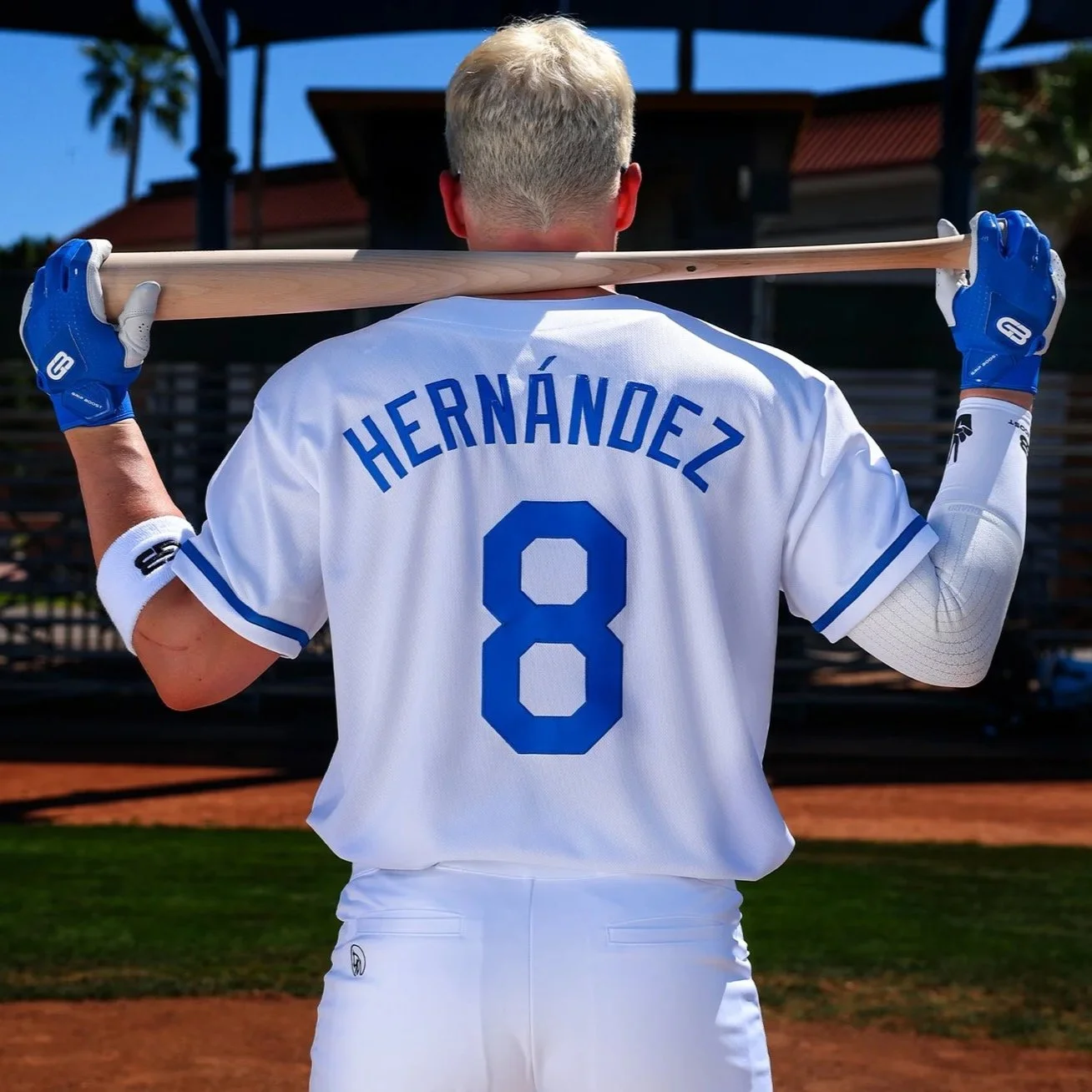
Kike Hernandez
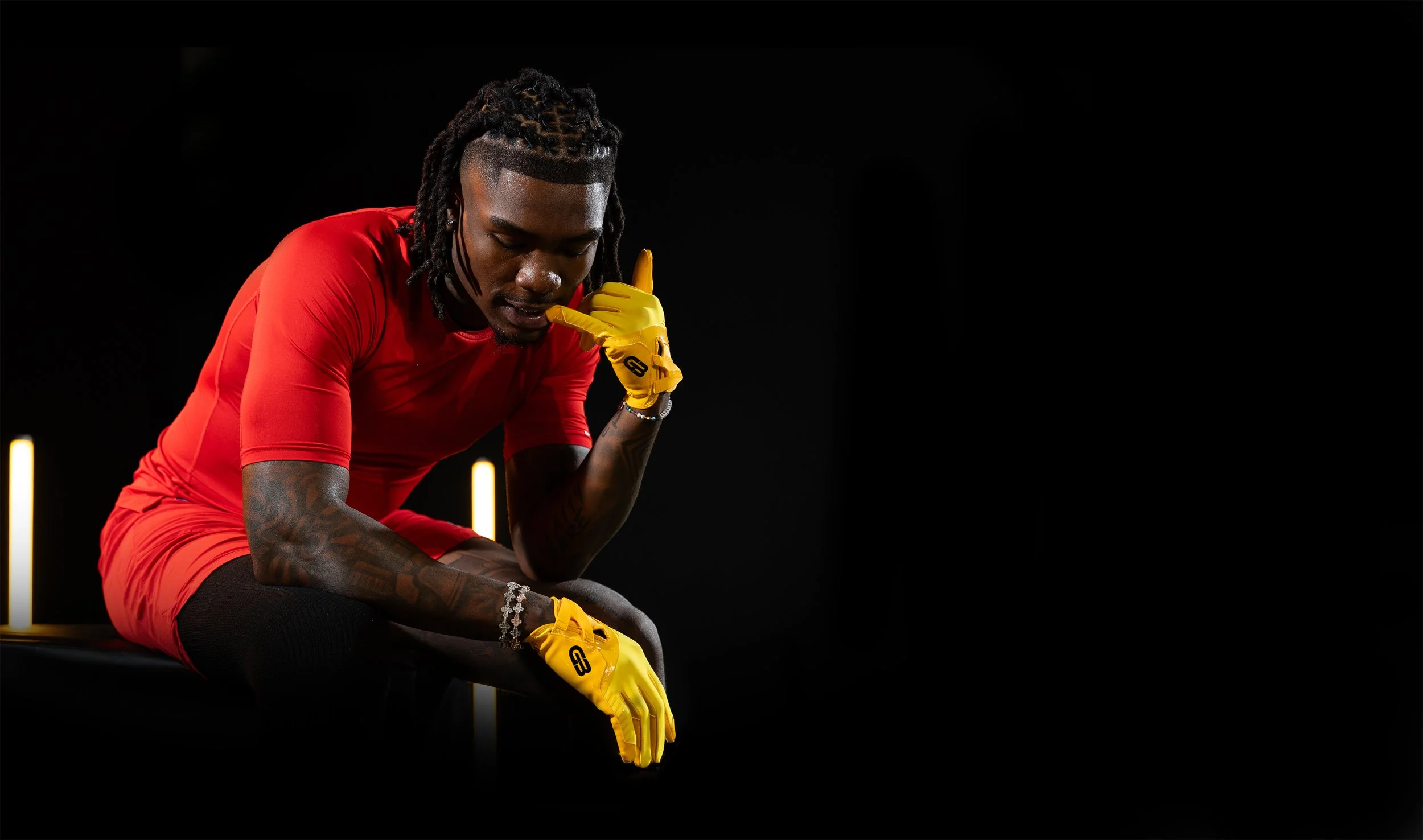
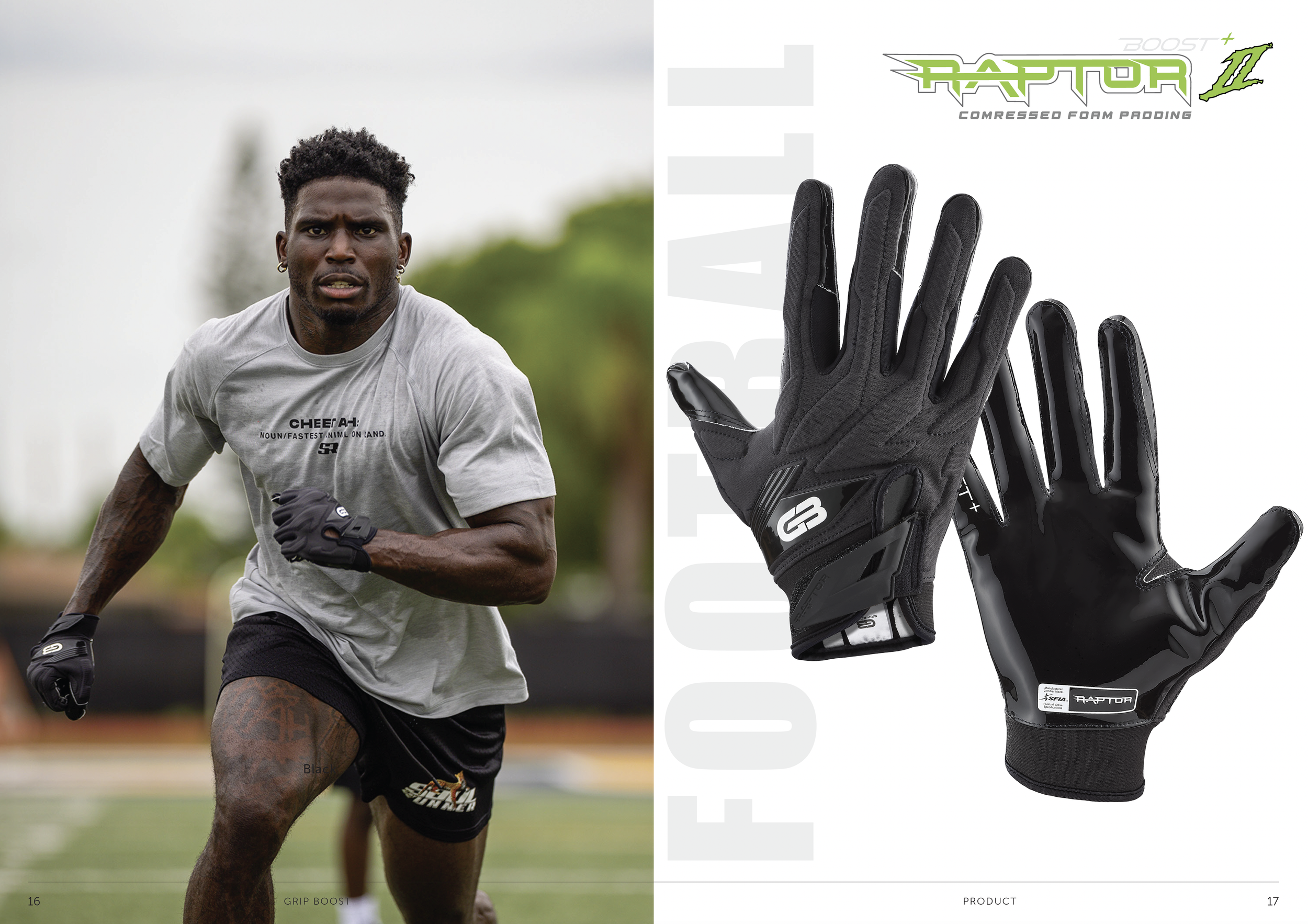
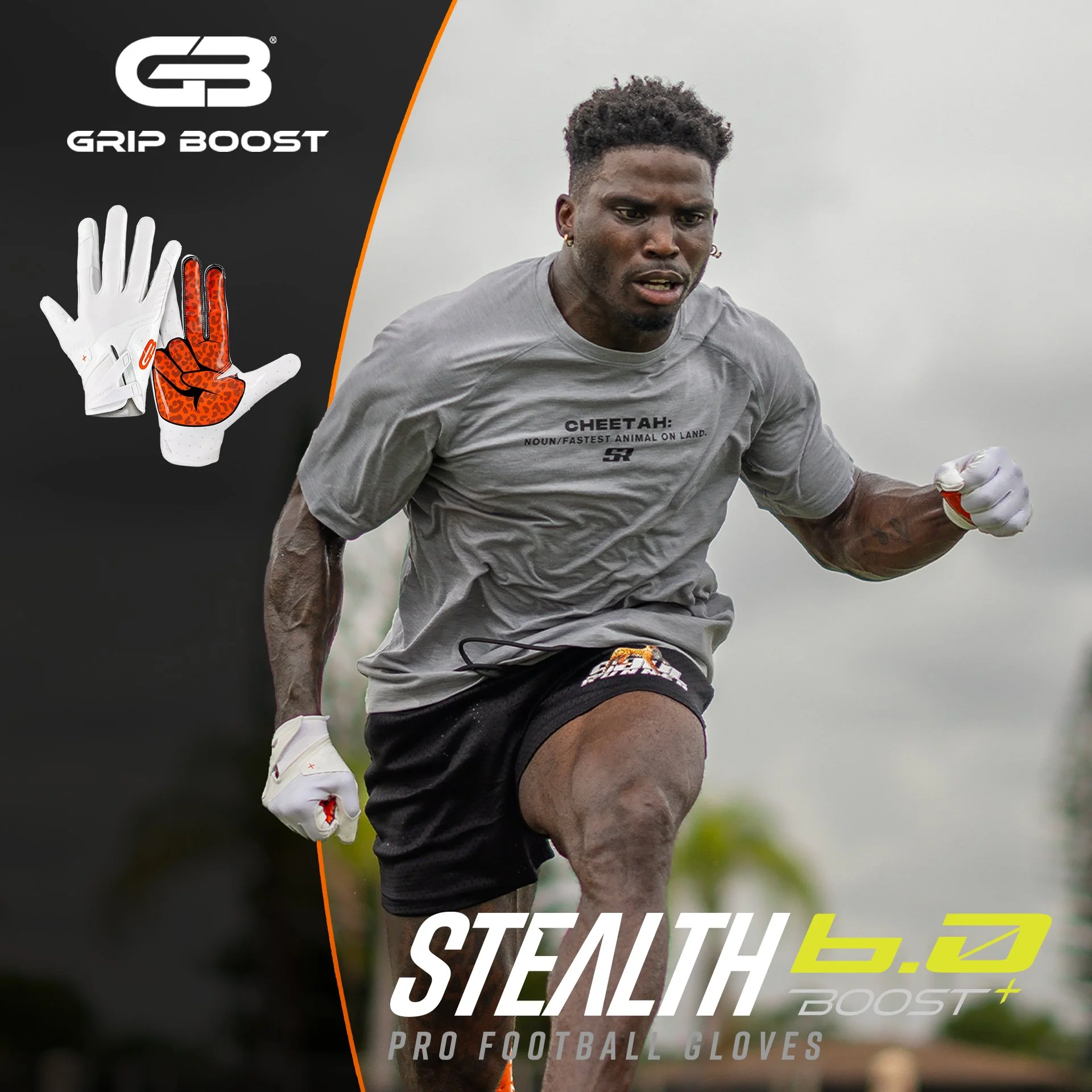
Tyreek Hill X Rashee Rice
Tyreek Hill x Rashee Rice Campaigns
Rashee Rice 2025 Season Opener
Rashee Rice “I’m Back!”
Cheetah X Grip Boost - Social Teaser
Grip Boost's "UNDERCOVER KIKÉ" opening day campaign featuring MLB star Kiké Hernández.
Instagram 745K Views
UNDERCOVER KIKÉ "opening day campaign”
Social Media Teaser
Social Media UGC
Creative Director means completely different things depending on where you are….
Creative Director
As Creative Director, I am the keeper of all creative, visual story-driven brand creative direction. I bridge high-level brand strategy with fast, field-ready execution. Replaced fragmented asset creation with a single, scalable brand story across channels. End-to-end content strategies that keep visual consistency tight, amplify brand presence, and drive real revenue—without relying on oversized agency teams.
Videographer / DP
I direct, shoot, and light high-volume video campaigns on tight deadlines.I deliver crisp, cinematic footage designed specifically to stop the scroll on social feeds and translate seamlessly to broadcast.
Develop story-driven visual development, storyboards, and tight shot lists during pre-production so nothing is left to chance in the field. I deliver visuals that fit the look and feel, that tell a story, protect the brand based on creative. Created and Developed to specifically to stop the scroll and translate seamlessly to high level brand campigns.
PhotOgrapher
I run a dual-role approach that bridges organic social imagery and performance ads. In a single shoot, Capturing photographs that are timeless, story driven and stay true to the art of photography. Visuals meant for brand storytelling and conversion. My goal is to balance raw, authenticity that drive social engagement with clean, high-impact compositions built for social first deliverables, paid ad overlays and landers.
Paid Social
I remove the guesswork from ad creative by tying visual production straight to performance data. I build video and static ads around strong hooks, clean hierarchy, and clear CTAs. Tracking performance daily and run aggressive A/B tests on thumb-stoppers, copy placement, and aspect ratios to lower CAC and get the most out of ad spend.
DATA DRIVEN RESULTS
100+ MILLION VIEWS |
700+ CONTENT DELIVERED |
30+ BRANDS |
PAID SOCIAL
BRAND SOCIAL
Tropic Heat - Product Launch
Grand Prix - Lyric - Product Launch
Big Skill Club - Product Launch hype
Ship Sticks - Golf Channel
Ship Skis
Bright Horizons
Ship Skis
Ship Sticks - Slow Ride
APAX Backpack
Hasbro Transformers - Animatic
Ship Sticks - Destination
Patient Rights Advocate
-
Before drawing anything, the script must be locked into a production-ready format.
Script Polishing: Refining dialogue, scene beats, and action descriptions.
Script Breakdown: The director and story leads analyze the text to identify:
Key character emotional beats.
Essential story points vs. flexible filler.
Potential technical or logistical bottlenecks (e.g., complex action sequences, heavy VFX requirements).
-
Animatic (Diagnosing What Works)
Storyboards are pitched sequentially (often to the director, showrunner, or creative leads) to test scene flow.
Identifying What’s Working:
Do jokes or dramatic beats land effectively?
Is the visual storytelling clear without relying heavily on dialogue?
Identifying What Needs Fixing:
Pacing Bloat: Scenes that feel sluggish or drag out the runtime.
Confusing Action: Sequences where shot-to-shot spatial clarity breaks down.
Redundancy: Shots or dialogue lines that repeat information the audience already understands visually.
-
The animatic is edited repeatedly until the blueprint is rock solid. Here is specifically what gets fixed at this stage:
Problem Identified in AnimaticThe Fix Applied in Animatic PhaseDialogue feels unnatural or too longTrim scratch audio, delete redundant lines, or replace dialogue with visual beats.Action feels sluggish or lacks impactRe-board cuts with tighter angles, speed up timing, or add dynamic camera pushes.Emotional beat doesn't hitAdjust shot hold lengths; try a different temp music track to guide tone.Sequence is too expensive / over budgetCut unnecessary background characters, simplify complex VFX setups, or collapse multiple locations into one.
-
Once the animatic runs smoothly and receives studio/creative sign-off, it is "locked."
STORY Process
The transition from a raw script to a final animatic is the single most critical phase of pre-production. It’s where the story moves from conceptual text to a visual, temporal draft of the final project.
Rather than just "making pictures move," this process acts as an editing workshop to stress-test story pacing, dialogue, sequence clarity, and technical feasibility before expensive production/animation assets are built.
Kike - undercover - Story Animatic
Ship Sticks
Let’s Work Together
Complete the form below or drop me a line at
(407) 230-2371